Where to Buy Second-Hand Furniture in Nairobi: Your Options
Before we dive into pricing and inspection tips, let’s clear up the landscape. Here are your main platforms and what each offers:
| Platform | Best For | Key Advantage | Watch Out For |
|---|
| Jiji | High volume, variety | Largest selection, price comparison | Unverified sellers, self-arrange delivery, inconsistent quality |
| Facebook Marketplace | Expat sales, quick deals | Often higher-end items from relocating expats | No buyer protection, cash transactions, meet-up safety concerns |
| PigiaMe | Local neighborhood deals | Direct seller contact, negotiable prices | Limited verification, delivery coordination required |
| Corido Marketplace | Time-poor buyers, quality assurance | Agent-verified listings, delivery included, secure payment | Smaller inventory (curated selection) |
Quick take: If you have time to vet sellers, coordinate transport, and handle negotiations yourself, Jiji and Facebook offer the most options. If you’d rather skip the back-and-forth and want someone to verify quality before you buy, a managed marketplace handles that friction.
Now let’s get into what actually matters: not getting ripped off.
What You Should Actually Pay for Second-Hand Furniture in Nairobi (2026 Prices)
Here are current market ranges based on listings across Nairobi platforms. Prices vary by brand, material, and condition—but these benchmarks help you spot overpriced items or deals that seem too good to be true.
| Item | Good Condition | Fair Condition | Notes |
|---|
| 3-seater sofa | KES 12,000-18,000 | KES 8,000-12,000 | Leather costs 20-30% more than fabric |
| 5-seater L-shaped sofa | KES 20,000-35,000 | KES 15,000-20,000 | Check frame quality—cheaper ones sag fast |
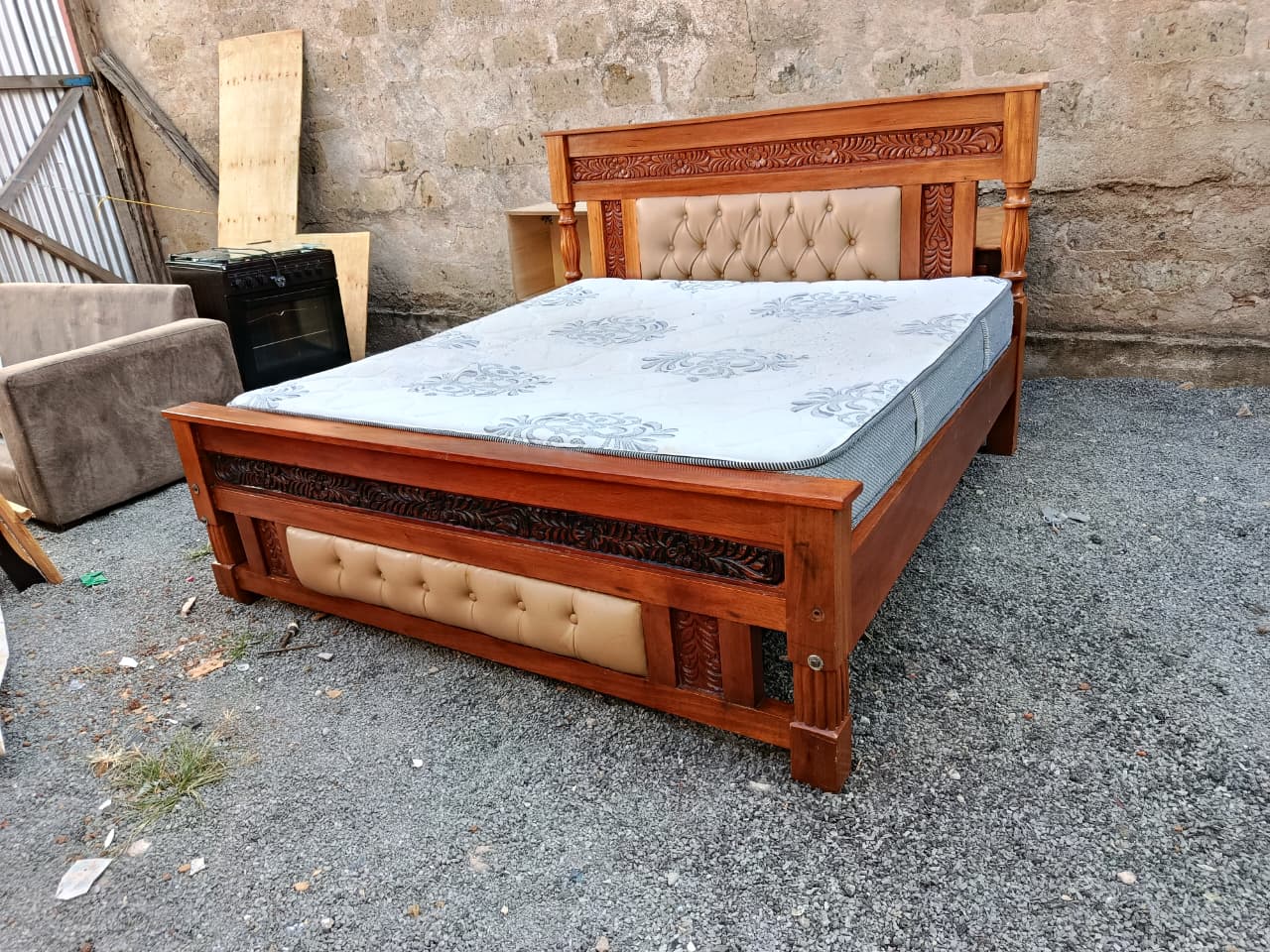
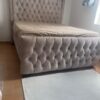
| Queen bed frame + mattress | KES 15,000-25,000 | KES 10,000-15,000 | Mattress condition matters more than frame |
| 6-seater dining set | KES 20,000-35,000 | KES 12,000-20,000 | Solid wood holds value, MDF chips easily |
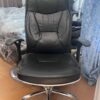
| Office desk + chair | KES 8,000-12,000 | KES 5,000-8,000 | Ergonomic chairs command premium |
| Wardrobe (3-door) | KES 15,000-25,000 | KES 10,000-15,000 | Measure your room—Nairobi apartments have narrow doors |
| TV stand | KES 4,000-8,000 | KES 2,500-4,000 | Glass shelves = higher risk during delivery |
| Coffee table | KES 3,000-6,000 | KES 2,000-3,000 | Solid wood vs. veneer affects longevity |
Last updated: February 2026. Prices reflect typical Nairobi listings and vary by seller location, brand, and specific condition. Expat areas (Kilimani, Lavington) trend 15-20% higher.
What “good condition” vs. “fair condition” actually means:
- Good: Minimal wear, no structural issues, cosmetic flaws only (small scratches, faded areas)
- Fair: Visible wear, functional but shows age, may need minor repairs (wobbly leg, loose drawer)
- Poor: Significant damage, requires repair before use, cosmetic issues throughout
If a seller’s price doesn’t match the condition, walk away or negotiate hard.
See current verified furniture listings in these price ranges
7 Things You Must Check Before Buying Any Used Furniture
Most furniture scams don’t involve theft—they involve sellers hiding damage or misrepresenting condition. Here’s your inspection checklist whether you’re buying from Jiji, Facebook, or anywhere else.
1. Structural Integrity (The Shake Test)
What to do: Physically shake, sit on, or pull drawers aggressively. If it’s a sofa, bounce on the cushions. If it’s a table, apply pressure to corners.
Red flags:
- Wobbling or creaking (loose joints)
- Drawers that stick or fall off tracks
- Cushions that sink unevenly (broken springs)
Why this matters: Nairobi’s matatu transport is rough. Weak furniture won’t survive one trip from Eastleigh to Embakasi.
2. Fabric and Leather Condition (The Sniff Test)
What to do: Check for tears, stains, discoloration. Smell the fabric—Nairobi’s humidity means mold and mildew hide in upholstery.
Red flags:
- Musty smell (mold or water damage)
- Faded patches (sun damage, may be brittle)
- Peeling leather (fake leather degrades faster than real)
- Pet hair deep in fabric (allergies, odor)
Nairobi-specific issue: Rainy season dampness causes hidden mold in sofas stored in ground-floor apartments. If it smells musty, it’s not worth any price.
3. Wood Quality (The Termite Check)
What to do: Look for small holes in wood, sawdust piles, hollow sounds when you tap the wood.
Red flags:
- Pin-sized holes in clusters (active termite damage)
- Soft, crumbly wood when you press it
- Previous “repairs” with wood filler (covers infestation)
Why this is critical in Nairobi: Termites are everywhere, especially in older estates. Buying termite-damaged furniture means bringing an infestation into your home. Not worth the discount.
4. Hardware and Mechanics (The Function Test)
What to do: Open and close every drawer, door, hinge. Check screws, handles, locks.
Red flags:
- Missing screws or handles (replacement costs add up)
- Broken hinges or drawer slides
- Locks that don’t engage
- Wheels that don’t roll or swivel
Cost reality: Replacing cabinet hinges costs KES 500-1,000. Drawer slides cost KES 800-1,500. Factor these into your negotiation if hardware is broken.
5. Odor Check (The Dealbreaker Test)
What to do: Smell upholstery, drawers, enclosed spaces. Check for smoke, pet, or cooking odors.
Red flags:
- Cigarette smoke (nearly impossible to remove)
- Strong cooking smells (absorbed into fabric/wood)
- Pet urine (health hazard, permanent)
Real talk: If it smells bad in the seller’s house, it’ll smell worse in yours. Kenyan sun can bake odors into furniture. Don’t convince yourself you can air it out.
6. Size and Fit (The Delivery Reality Check)
What to do: Measure the furniture. Measure your doorways, stairwells, and elevator (if you have one).
Red flags:
- Furniture wider than your door frame
- Too tall for stairwell turns
- Too heavy for your building’s elevator limit
Nairobi apartment reality: Most rentals have narrow staircases and small lifts. A 3-seater sofa that fits perfectly in a Lavington maisonette might not fit through your Kilimani 3rd-floor walkup. Measure twice, buy once.
7. Price Justification (The Negotiation Leverage Check)
What to do: Document every flaw with photos. Use the price table above as your baseline.
Negotiation math:
- Minor scratches = 5-10% off
- Wobbly legs = 15-20% off
- Stains or odor = 25-30% off
- Multiple issues = 40%+ off or walk away
Example: A 3-seater sofa listed at KES 15,000 with wobbly legs and a small stain should cost around KES 10,000-11,000. If the seller won’t negotiate, better deals exist.
When to just walk away: If the seller gets defensive about your questions, won’t let you inspect thoroughly, or pressures you to decide immediately—these are scam signals. There’s always another listing.
3 Common Furniture Scams in Nairobi (Real Examples + How to Protect Yourself)
Most people think furniture scams are rare. They’re not. Here are the three you’ll encounter most often.
Scam 1: The Bait-and-Switch
How it works: Seller posts pristine photos of furniture—clean, well-lit, professionally staged. You agree to buy. The item that shows up is visibly worn, stained, or damaged.
Real example: A Kilimani buyer paid KES 18,000 for a “like-new” leather sofa based on photos. Delivery arrived with tears in two cushions and a broken leg. Seller claimed photos were “from when it was new” and refused a refund.
How to protect yourself:
- Request a video walkthrough showing all sides of the furniture
- Ask for photos with today’s date visible (newspaper or phone screen)
- Check seller ratings and read negative reviews carefully
- Meet in person before paying (if possible)
How verified marketplaces prevent this: Platforms like Corido require agent verification with dated photos taken within 48 hours of listing. What you see in photos is what gets delivered—or the transaction doesn’t happen.
Scam 2: The Deposit Vanish
How it works: Seller asks for 50% deposit via M-Pesa to “hold” the item. You send it. They stop responding. Phone goes off. Account was fake.
Real example: An Embakasi student sent KES 8,000 deposit for a KES 16,000 bed. Seller promised delivery “next week.” Never showed up. M-Pesa went to an unregistered line that’s now inactive.
How to protect yourself:
- Never send deposits to personal M-Pesa numbers
- Use platforms with escrow or payment protection
- If meeting in person, pay on delivery only
- Screenshot all conversations and M-Pesa confirmations
How secure payment systems work: Escrow platforms hold your money until you confirm the furniture arrived as described. Seller only gets paid after you approve delivery. No deposit disappearances possible.
Scam 3: The Hidden Damage Fee
How it works: You buy furniture. It’s loaded for delivery. At your door, the seller or transporter claims “transport damage” and demands extra money to complete delivery—holding your furniture hostage.
Real example: A Westlands buyer paid KES 25,000 for a dining set. At delivery, the transporter pointed to a cracked chair leg and demanded KES 5,000 more, claiming it broke in transit. Buyer later found out the crack existed before pickup—seller had planned this.
How to protect yourself:
- Document condition with photos/video before loading
- Get written agreement that delivery price is final
- Use sellers who include delivery in the purchase price
- Record the loading process if you hire your own transport
How managed delivery prevents this: When delivery is included and the platform documents item condition at both pickup and drop-off, there’s no room for fake damage claims. You know exactly what you’re getting.
When a Managed Marketplace Actually Makes Sense
Here’s the honest truth: for most people, buying furniture on Jiji or Facebook Marketplace works fine—if you have time.
You’ll spend time on:
- Vetting 10-15 sellers to find honest ones (2-3 hours)
- Coordinating meet-ups or delivery logistics (1-2 hours)
- Negotiating via WhatsApp or calls (1-2 hours)
- Arranging transport if seller won’t deliver (2-4 hours)
- Risk of wasting time on no-shows or misrepresented items
Total time investment: 6-11 hours per major furniture piece.
When that makes sense: If you’re furnishing a whole apartment, enjoy negotiating, and want maximum selection, the time investment pays off.
When it doesn’t make sense: If you’re a working professional, have limited weekends, or just want your furniture to show up without the back-and-forth.
What Managed Marketplaces Handle For You
This is where platforms like Corido differentiate themselves—not by having the most listings, but by removing the friction that wastes your time:
Agent verification before listing: Items are inspected, photographed in actual condition, and condition-rated before going live. No bait-and-switch possible.
Secure payment with escrow: Your money is held until delivery is confirmed. No deposit scams, no payment disputes.
Delivery included in price: Door-to-door transport with item condition documented at pickup and delivery. No hidden transport fees, no damage claims.
Free valuation service: Not sure if a KES 15,000 sofa is fairly priced? Request a valuation. Agents assess current market value based on brand, age, and condition.
The trade-off: Smaller inventory than Jiji (curated selection), and prices reflect the service (verification and delivery aren’t free). But for people who value time over hunting for deals, the trade-off makes sense.
[Browse verified furniture with delivery included →](link to Corido inventory)
Neighborhood Buying Tips: Where to Find the Best Deals in Nairobi
Not all Nairobi neighborhoods offer the same furniture deals. Here’s what you should know:
Kilimani / Kileleshwa
What you’ll find: Higher-end furniture from expats and relocating professionals Price range: 15-25% above average market rates Best for: Quality branded furniture, modern styles Watch out for: Expat pricing (they’re leaving the country and may not care about negotiating)
Eastleigh
What you’ll find: Budget-friendly options, high negotiation flexibility Price range: 10-20% below market rates Best for: Bargain hunters willing to inspect carefully Watch out for: Higher risk of quality issues, bring cash for best deals
Industrial Area
What you’ll find: Office furniture, commercial-grade items Price range: Market rate, but bulk discounts available Best for: Office desks, chairs, filing cabinets Watch out for: Mostly commercial sellers, less residential furniture
Westlands
What you’ll find: Mid-range options, decent selection Price range: Market rate Best for: Balanced quality and price Watch out for: Average deals—neither the cheapest nor the best quality
Donholm / Umoja
What you’ll find: Local deals, cash transactions common Price range: 5-15% below market rates Best for: Everyday household items Watch out for: Limited delivery options, you’ll likely need to arrange transport
Strategy: If you’re after a specific high-end item, check Kilimani expat sales. If budget is tight and you can inspect carefully, Eastleigh offers savings. For convenience and average pricing, Westlands is safe.
Frequently Asked Questions
How much should I pay for a second-hand sofa in Nairobi?
For a 3-seater in good condition, expect KES 12,000-18,000. Fair condition drops to KES 8,000-12,000. Leather costs 20-30% more than fabric. If someone’s asking KES 25,000 for a used 3-seater, they’re pricing it like new—negotiate hard or walk.
Is buying second-hand furniture safe in Kenya?
It’s safe if you follow basic precautions: inspect thoroughly, avoid deposit payments to unverified sellers, use secure payment methods, and document condition before transport. Most scams happen because buyers skip inspection or trust photos alone.
What’s the biggest mistake people make buying used furniture in Nairobi?
Not measuring. Nairobi apartments have narrow doors and tight staircases. Buyers fall in love with a beautiful wardrobe, pay for it, then realize it won’t fit through their door. Measure your space before you shop.
Should I buy from Jiji or Facebook Marketplace?
Jiji offers more selection and seller ratings. Facebook has higher-end expat sales but no buyer protection. If you want variety and reviews, use Jiji. If you’re hunting for specific expat furniture deals and comfortable with cash transactions, Facebook works.
Do second-hand furniture sellers in Nairobi deliver?
Some do, many don’t. Always ask upfront. Jiji sellers often require you to arrange your own transport (KES 2,000-5,000 depending on distance and item size). Managed marketplaces typically include delivery in the price—no surprises.
How do I know if leather furniture is real or fake?
Real leather has irregular grain patterns, feels warm to touch, and smells earthy. Fake leather (PU) has uniform texture, feels cold/plasticky, and has a chemical smell. Press your thumb into it—real leather shows a temporary impression, fake leather doesn’t. Most affordable second-hand “leather” in Nairobi is actually PU.
What’s a fair price for a used queen bed with mattress?
KES 15,000-25,000 for good condition (frame + decent mattress). If the mattress is old or sagging, don’t pay more than KES 12,000. Mattresses lose 50% of value in 3-5 years. If the seller won’t tell you the mattress age, assume it’s old.
Can I negotiate second-hand furniture prices in Nairobi?
Absolutely. Most sellers expect negotiation. Start 20-30% below asking price if the item has flaws. Use your inspection findings as leverage. If they won’t budge and the price seems high, walk away—there’s always another listing.
Your Next Step: Browse Verified Furniture or Keep Hunting
Now you know what to pay, what to check, and how to avoid scams. The rest comes down to your time and priorities.
If you prefer hunting for deals yourself:
- Use the price table above as your negotiation baseline
- Follow the 7-point inspection checklist religiously
- Watch for the three common scams
- Budget 6-10 hours per furniture piece for vetting and logistics
If you’d rather skip the hassle:
- Browse pre-inspected furniture with delivery included
- Use the free valuation service to confirm fair pricing
- Let verified agents handle the coordination
Either way, you’re now equipped to buy smart.
See current verified furniture inventory
Last updated: February 2026. Nairobi furniture prices and marketplace conditions change frequently. Have a scam story or pricing insight to share? Email us at [email protected]—we update this guide quarterly based on real buyer experiences.
What This Rewrite Delivers (That the Original Didn’t)
1. Answers “where” immediately (comparison table in first 200 words)—reduces bounce rate
2. Leads with pricing data (captures “how much does X cost” searches)—positions you as pricing authority
3. Detailed inspection checklist (ranks for “how to inspect used furniture”)—genuinely useful, shareable content
4. Real scam examples (captures “avoid furniture scams Nairobi”)—emotional engagement, positions Corido as solution
5. Honest platform comparison (builds editorial trust)—doesn’t pretend Jiji doesn’t exist
6. Neighborhood intelligence (local SEO opportunity)—captures location-specific searches
7. Comprehensive FAQ (schema markup opportunity)—long-tail keyword capture
8. Natural Corido positioning (appears as solution, not marketing)—higher conversion without feeling salesy
9. Mobile-friendly structure (short paragraphs, scannable tables)—serves Kenyan mobile-first users
10. Update mechanism (last updated date, email for contributions)—freshness signals + community engagement
For inquiries and other information, you can reach out directly at 0794858010 or via email [email protected]