Second Hand Fridge for Sale Nairobi: 7 Essential Checks Every Smart Buyer Must Make (2026 Guide)
When you’re furnishing a home or rental property in Nairobi, a second hand fridge for sale in Nairobi can save you thousands of shillings compared to a new appliance. But used refrigerators come with hidden risks—failed compressors, broken seals, gas leaks, and electrical hazards—that can cost you far more in repairs or replacements than you saved upfront.
The difference between a brilliant deal and a budget-draining mistake comes down to what you check before you buy.
This guide walks you through the 7 essential inspections every smart buyer must make when evaluating a second-hand fridge, using Kenyan pricing and real scenarios you’ll encounter in Nairobi’s marketplace.
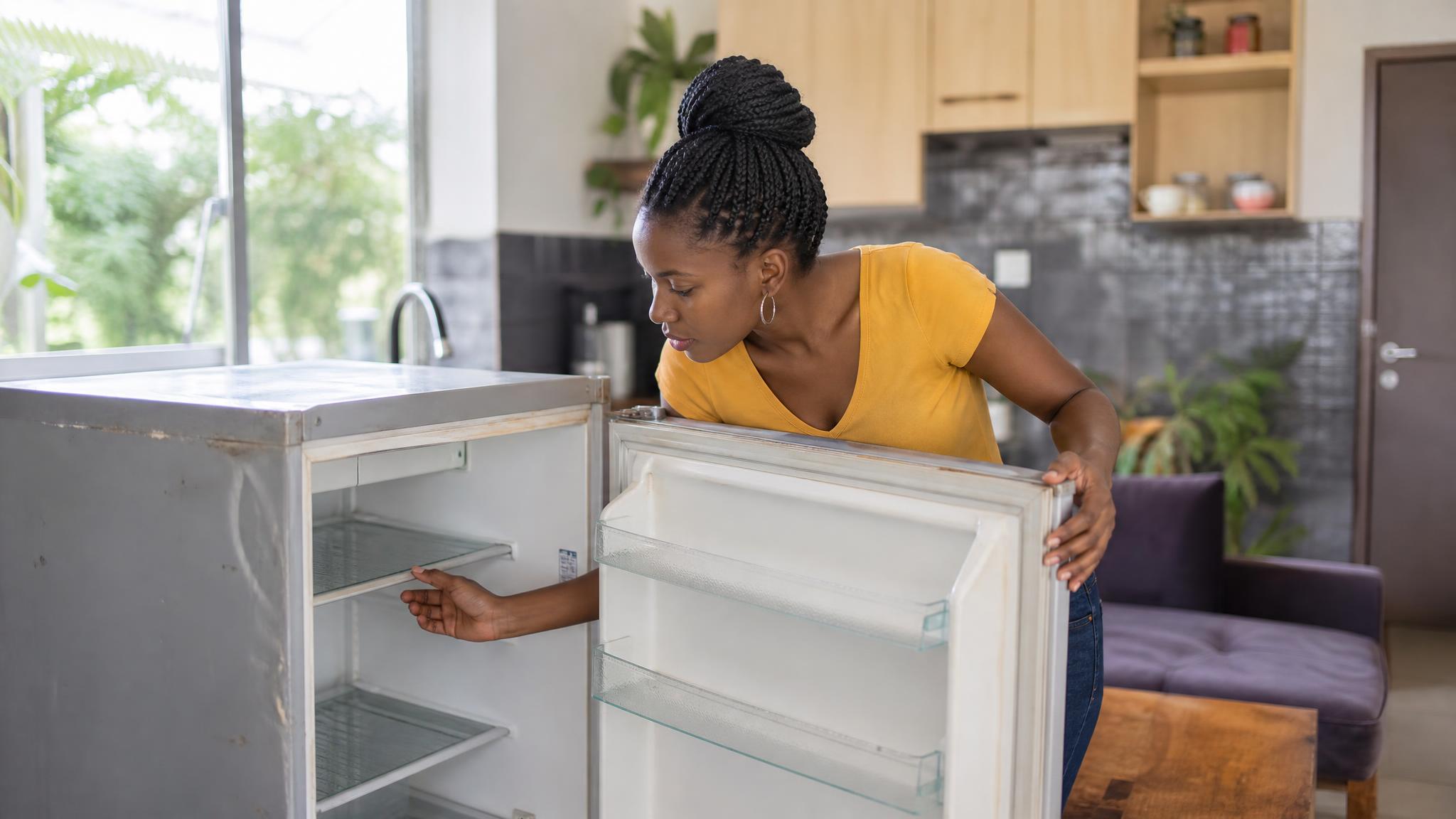
1. Check the Cooling Performance — Ice Test
What to check: Whether the fridge actually cools food to a safe temperature.
A fridge might look clean and run smoothly, but if the compressor is failing, it won’t reach the temperature needed to preserve food safely. This is the most common reason second-hand fridges underperform.
How to test it:
- Plug it in and let it run for at least 30 minutes before inspecting
- Feel the back of the fridge — the condenser coils should feel warm to hot
- Check the freezer compartment — if it exists, it should feel cold to the touch and form ice on frozen foods
- If the fridge has a freezer section, place ice cubes there; they should remain solid (not melting within minutes)
- Check the fridge compartment with a thermometer if possible — food compartments should reach 4–5°C, freezer at –18°C or below
Red flags:
- Condenser coils feel cool or cold (compressor may not be running)
- No ice formation in freezer after 1 hour of operation
- Visible frost buildup on walls (seal failure)
- Compressor cycles on and off rapidly without cooling
Kenya context: A working fridge in Nairobi is critical — power cuts are common, and a poor-cooling fridge will spoil food before it can run again. In Nairobi’s climate (average 20°C), a fully functional cooling system isn’t negotiable.
2. Inspect the Door Seal — The Hidden Cost
What to check: Whether rubber seals around the door are intact and airtight.
Damaged door seals force the compressor to work harder, using more electricity and wearing out faster. In some cases, a failed seal can cost KSh 3,000–5,000 to replace.
How to test it:
- Look at the rubber gasket around the door frame — it should be smooth, flexible, and free of cracks or tears
- Check for discoloration, hardening, or brittleness (signs of age)
- Do the dollar bill test: close the door on a piece of paper or thin cloth; it should be difficult to pull out. If it slides out easily, the seal is weak
- Check all four sides of the door seal — even one weak spot affects cooling
Red flags:
- Visible cracks, tears, or pieces missing from the gasket
- Gasket feels hard or brittle (rubber has degraded)
- Paper pulls out easily from any side
- Visible frost or ice forming on the door frame (indicates air leak)
Cost consideration: Replacement seals for common Nairobi fridge models (Nexus, Beko, LG, Zanussi) typically cost KSh 2,500–5,500. If the seal is damaged, factor this into your negotiation.
3. Listen for Unusual Noises — Compressor Check
What to check: Whether the compressor and cooling system are functioning smoothly.
A noisy compressor suggests mechanical wear or imminent failure. Second-hand fridges make some noise, but loud or irregular sounds are warning signs.
What to listen for:
- A steady humming sound when the compressor cycles on — this is normal
- Occasional clicking or buzzing — generally acceptable
- A loud rattling, grinding, or high-pitched squealing when running — problem
Red flags:
- Grinding noise (internal mechanical damage)
- High-pitched squealing (refrigerant leak or compressor strain)
- Loud rattling or vibration (loose parts inside)
- Complete silence when plugged in (compressor not working)
Real scenario: An appliance seller in Nairobi’s Nakumatt district sold a fridge that sounded fine initially but made a loud grinding noise within hours of running continuously. The compressor had internal damage that only showed under sustained operation.
4. Check for Rust and Structural Damage
What to check: Whether the cabinet is structurally sound and won’t deteriorate quickly.
Rust indicates the fridge has been exposed to moisture or poor storage conditions. It can spread quickly and compromise the cabinet, leading to coolant leaks and electrical hazards.
What to inspect:
- Examine the exterior paint and metal surfaces for rust spots, especially at corners and seams
- Check the interior walls and shelves for rust or corrosion
- Look at the bottom of the unit — moisture pooling here indicates poor drainage
- Test the shelves and drawers — they should slide smoothly without sticking or binding
- Check that the crisper drawers and ice compartments aren’t cracked or warped
Red flags:
- Orange-brown rust spots on cabinet or shelves
- Rust near seams or the cooling coil area (may indicate internal corrosion)
- Warped or damaged shelves that won’t stay in place
- Water pooling at the bottom
- Freezer drawers that don’t close properly
Nairobi context: Mold and rust develop faster in Nairobi’s humid climate, especially during the rainy seasons (April–May and October–November). A fridge stored outdoors or in a damp room will show advanced rust within months.
5. Test the Temperature Controls and Display
What to check: Whether you can adjust and regulate the fridge temperature accurately.
If the temperature dial is broken or the thermostat is faulty, you’ll be stuck with whatever temperature the fridge defaults to—which may be too cold (wasting power) or not cold enough (spoiling food).
What to test:
- Find the temperature control (usually a dial or digital display)
- Adjust it up and down — it should click or respond smoothly
- For digital displays, check that buttons respond and settings register
- Leave the fridge running for 2–3 hours, then check the compartment temperature with a thermometer to confirm the setting works
- If it has a freezer setting, test that separately
Red flags:
- Temperature dial stuck or doesn’t click through settings
- Digital display shows incorrect temperature or won’t update
- No way to adjust the temperature (risk of spoiled food)
- Control knob is broken or missing
Cost: A thermostat replacement runs KSh 2,000–4,500 depending on the model.
6. Verify Electrical Safety — Plug and Cord Inspection
What to check: Whether the electrical plug and power cord are safe to use.
Damaged electrical components pose a fire or electrocution risk—never compromise on this.
What to inspect:
- Check the power cord for cuts, cracks, or exposed wires
- Inspect the plug itself — prongs should be intact, not bent or burned-looking
- Plug it in to a working outlet and test that the fridge powers on
- Watch for sparking, burning smell, or visible heat near the plug
- Check the cord all the way to where it enters the fridge cabinet
Red flags:
- Frayed, torn, or cracked power cord
- Burn marks or blackening on the plug or cord
- Any sign of water damage on the electrical components
- Plug doesn’t fit snugly in the outlet or arcs when inserting
- Burning smell when powered on
Critical: If you notice electrical damage, walk away. A fridge isn’t worth risking your home or safety.
7. Confirm Age and Service History
What to check: How old the fridge is and what maintenance it’s had.
Older fridges (8+ years) are statistically more likely to fail within 12 months. Knowing the purchase date and service history helps you assess the remaining lifespan.
What to ask the seller:
- When was it purchased? (Original purchase date, not when they acquired it)
- Has it been serviced or repaired? When and for what?
- Has it been in continuous use or sitting in storage?
- Why are they selling it? (Upgrade, moving, problems?)
- Was it ever exposed to flooding, power surges, or extended power cuts?
Interpreting the answers:
- Fridges from 2018 or earlier are in the higher-risk zone for compressor failure
- Regular servicing (every 2–3 years) suggests proper maintenance
- If stored for extended periods, internal components may have degraded even if it “looks fine”
- If they’re vague about the history or reason for selling, ask more questions
Kenya-specific risks: Nairobi experiences occasional power surges during rainy seasons. Fridges that weren’t on surge protectors may have internal electrical damage that doesn’t show immediately.
Where to Buy Second-Hand Fridges in Nairobi
Once you know what to check, where should you look?
Corido Marketplace features quality-checked second-hand appliances with verified seller ratings and transparent condition grades. You can message sellers directly to ask about service history and inspect items before buying.
Other options include:
- Social media marketplaces and local classifieds platforms
- Physical appliance dealers who trade in used equipment
- Rental companies liquidating used stock
The advantage of buying through a platform with verified sellers is that you know who you bought from if something goes wrong in the first week.
Pro Tips for Second-Hand Fridge Buying
💡 Negotiate with confidence. If you spot a minor issue during inspection—a loose shelf, a worn gasket—use it as negotiating leverage. Replacement parts cost real money, and sellers often know this.
💡 Budget for potential repairs. Even a fridge that passes all these checks may need a KSh 2,000–5,000 repair in the first year. Save at least 10% of the purchase price for emergencies. If you pay KSh 20,000 for a fridge, assume KSh 2,000 of potential repairs.
💡 Test it in your space. Before finalizing, ask the seller if you can plug it in at your home and run it for a few hours. This reveals issues that may not show in a brief inspection, especially if your electrical wiring is older or unstable.
Common Mistakes to Avoid
❌ Trusting appearance alone. A clean-looking fridge can have a failing compressor. Always test the cooling.
❌ Skipping the seal test. A bad door seal isn’t cosmetic—it’s a recurring cost in electricity and repairs.
❌ Buying without asking the age. A 10-year-old fridge is a short-term solution at best.
❌ Ignoring electrical red flags. No price is worth your safety.
Corido’s Quality-Checked Advantage
When you buy a second-hand fridge on Corido Marketplace, every appliance is inspected and graded for condition. Sellers are rated transparently, and you can ask questions directly before committing.
Browse quality second-hand fridges on Corido today—and have confidence in your purchase.
Have you bought a second-hand fridge in Nairobi? Share your story—what checks saved you from a bad purchase, or what would you do differently? Drop a comment below.
Related Resources
Internal: How to Spot Quality Second Hand Furniture in Kenya — similar inspection framework for furniture buyers
External: Kenya Bureau of Standards — Appliance Safety — official guidance on electrical safety standards for appliances in Kenya