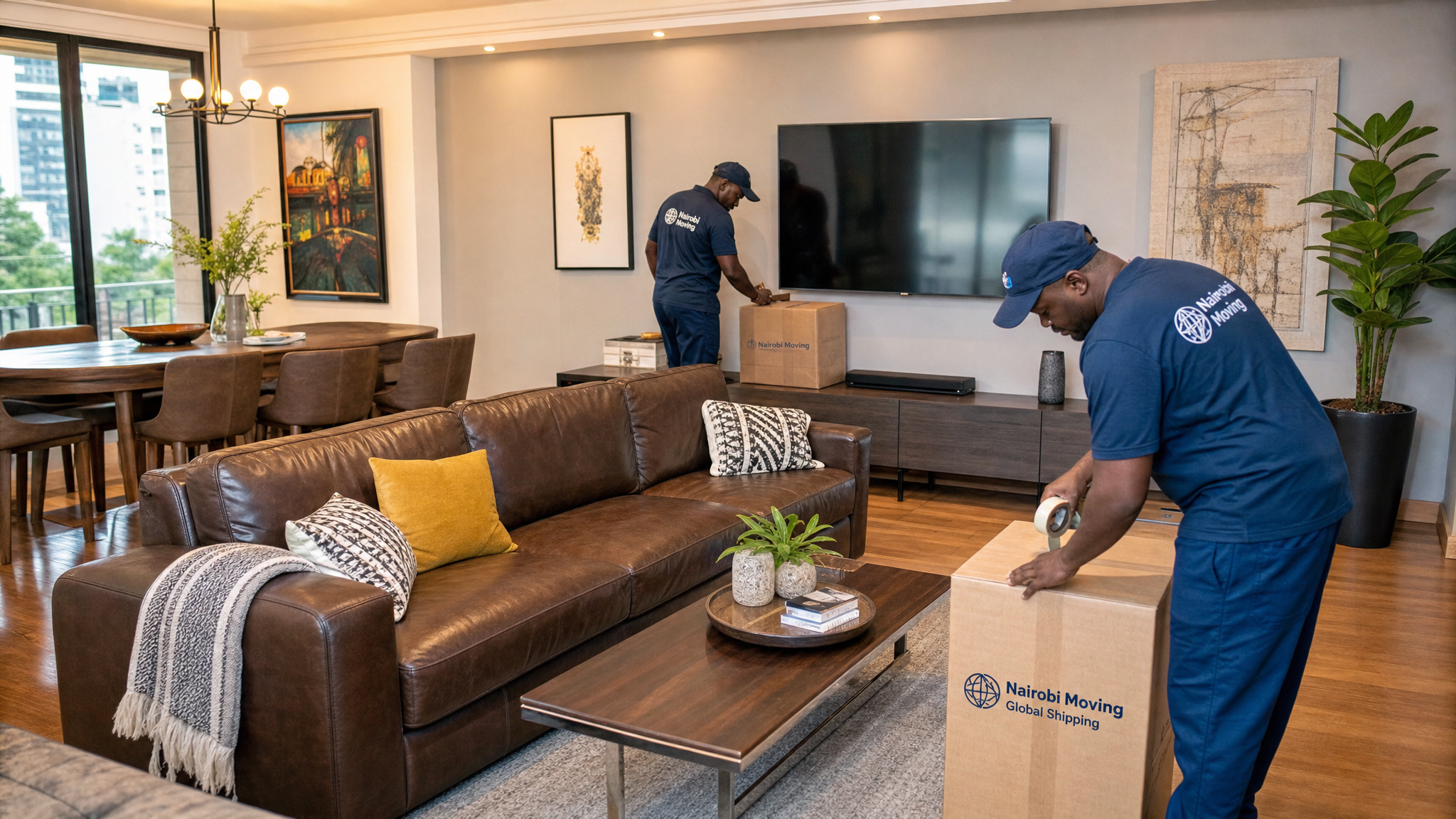
Sell Expat Household Goods in Nairobi: 7 Proven Steps to Get Maximum Value (2026 Guide)
If you’re an expat or NGO professional wrapping up your Nairobi assignment, you already know the challenge: you’ve accumulated quality furniture, appliances, and household goods — and you need to sell expat household goods in Nairobi quickly, fairly, and without the stress of endless tyre-kickers. This guide gives you a clear, step-by-step plan to move your items fast and get maximum value before you head home.
Why Selling Expat Goods in Nairobi Is Different
Expat households tend to hold higher-quality goods than the average Kenyan secondhand market. IKEA flat-packs, imported leather sofas, branded appliances, and gym equipment are common. The challenge isn’t the quality — it’s finding buyers who recognise and pay for it, and doing so within a tight departure window.
Unlike casual sellers, expats often need to clear an entire household in a matter of weeks. That time pressure can work against you if you list haphazardly. The right approach — with the right platform — turns that pressure into momentum.
💡 Pro Tip: Start your selling process at least 6 weeks before your departure date. Items listed with enough lead time sell for 20–40% more than rushed last-minute listings.
Step 1: Inventory Everything You Need to Sell
Before you post a single listing, walk through every room and catalogue what you own. Group items by category: furniture, appliances, electronics, outdoor/garden, kitchenware, décor. Note the brand, age, and condition of each item. This discipline pays off — buyers trust sellers who know their stock.
A simple spreadsheet with columns for item name, brand, purchase year, estimated condition (Excellent / Good / Fair), and target price works perfectly. You can share this list directly with marketplace teams or buyers for bulk-purchase negotiations.
What Sells Best from Expat Households?
- Quality sofas and lounge sets — leather or fabric, branded brands fetch KSh 30,000–120,000
- Imported dining sets — solid wood tables with 6 chairs: KSh 25,000–80,000
- Refrigerators and washing machines — LG, Samsung, Bosch in good condition: KSh 20,000–65,000
- Smart TVs (50″+ screens) — KSh 18,000–55,000 depending on brand and age
- Gym equipment — treadmills, weight sets: KSh 15,000–70,000
- Garden/outdoor furniture — rattan sets, umbrellas: KSh 10,000–40,000
- Air conditioning units — portable or split: KSh 18,000–55,000
Step 2: Price Realistically — Not Emotionally
Pricing is where most expat sellers leave money on the table — in both directions. Price too high and items sit until panic sets in; price too low and you regret it at the airport. The sweet spot for well-maintained expat goods is 40–60% of original retail value, adjusted for age and condition.
Use this simple rule of thumb for common items:
- Excellent condition (like new, barely used): 55–65% of retail
- Good condition (minor signs of use, fully functional): 40–55% of retail
- Fair condition (visible wear, fully functional): 25–40% of retail
For imported goods where Kenyan retail equivalents cost more, buyers will pay premium — reference the local replacement cost, not the original country-of-purchase price.
💡 Pro Tip: Bundle slow-moving items with fast-moving ones. A dining set that isn’t shifting on its own often sells quickly when paired with matching chairs or a sideboard at a package price.
Step 3: Photograph Everything Properly
Poor photos are the single biggest reason quality items sell for less than they’re worth. Nairobi buyers browse on mobile — your photos must be clear, well-lit, and honest. For each item:
- Shoot in daylight near a window — avoid harsh flash
- Take at least 3 angles: front, side, and a detail shot showing condition
- Show any marks, scratches, or wear honestly — this builds trust and prevents disputes
- Include a common object for scale (a KSh 50 coin, a standard water bottle)
- Clean the item before photographing — dust and clutter cut perceived value
High-quality photos can increase your final sale price by 15–25%, especially for premium items where buyers can’t immediately see them in person.
Step 4: Choose the Right Channel to Sell Expat Goods in Nairobi
Not all platforms are equal when you need to sell expat household goods in Nairobi efficiently. Consider:
- Specialist secondhand marketplaces like Corido Marketplace — purpose-built for quality secondhand goods in Kenya, with buyers actively looking for exactly what expat households produce. Corido offers pre-vetted listings, valuation assistance, and a quality-checked reputation that attracts serious buyers.
- Social media marketplaces — reach is wide but buyer quality varies; expect significant time on filtering out non-serious enquiries
- Expat community groups and NGO networks — often the fastest route for quality goods, especially within the diplomatic and NGO community itself
- Local auction houses — useful for unique or high-value items, though fees can be significant
For most expat sellers, a combination of a specialist marketplace for the bulk of items and direct community outreach for high-value pieces gives the best results with manageable time investment.
Step 5: Consider Consignment or Bulk Sale Options
If your departure is within 4 weeks and you have a full household to clear, a bulk sale or consignment arrangement may be your best option. Here’s the difference:
- Bulk sale: You agree a package price for all (or most) items with a single buyer or dealer. You get less per item but far less hassle — one transaction, one collection, done.
- Consignment: A trusted platform holds and sells your items on your behalf, releasing payment as items sell. Better per-item returns than bulk, but requires some lead time.
Corido Marketplace offers consignment services for quality goods — read how consignment works on Corido before deciding which route suits your timeline.
💡 Pro Tip: If you’re coordinating a departure with an NGO or embassy, check whether your organisation has a preferred asset disposal protocol. Some organisations have existing relationships with marketplace partners that simplify the process significantly.
Step 6: Coordinate Logistics — Viewing, Collection, and Delivery
Logistics is often the most underestimated part of selling household goods. Large items — sofas, fridges, wardrobes — require organisation:
- Viewing sessions: Batch interested buyers into specific viewing slots (e.g. Saturday 10am–2pm) rather than responding to individual visit requests throughout the week. This creates social proof (“other people are interested”) and uses your time efficiently.
- Collection responsibility: Be clear upfront — most serious buyers in Nairobi arrange their own transport, but professional moving services are widely available for larger items at KSh 1,500–5,000 per trip within Nairobi.
- Payment first: For large items, request a 30–50% deposit to confirm the sale before the buyer collects. This prevents last-minute cancellations when you’re running out of time.
Step 7: Handle Payments Safely
Payment safety matters, especially for high-value items. In Kenya, M-Pesa is the standard and safest option for most transactions. For items above KSh 50,000, consider:
- M-Pesa Lipa Na M-Pesa or Till Number transfers — instant confirmation, safe
- Bank transfer — suitable for large transactions, confirm clearance before releasing item
- Cash — acceptable for smaller items; verify notes carefully
Never release a large item based on a payment screenshot alone — confirm the actual receipt in your account or M-Pesa message before the buyer collects.
According to the Central Bank of Kenya, mobile money transfers remain the most common and secure payment method for informal transactions in Kenya — use them confidently for amounts within the daily transfer limits.
What Happens to Items You Can’t Sell?
Despite best efforts, you may have items left over at departure. Practical options for Nairobi:
- Donate to local charities or schools — organisations like orphanages, community centres, and rural schools often welcome furniture and appliances in working condition
- Leave with building management — some serviced apartments or residential compounds have common areas or staff quarters that accept usable goods
- Responsible disposal — for electronics, look for certified e-waste collection points to avoid environmental impact
Planning for residual items reduces last-minute stress and ensures nothing is simply abandoned.
Ready to Sell Your Expat Household Goods in Nairobi?
Corido Marketplace specialises in quality secondhand goods in Kenya — exactly the category expat households produce. Whether you want to list individual items, explore consignment, or discuss a bulk sale, the Corido team is ready to help you clear your household and get fair value before you depart.
📞 0794858010 | ✉️ ask@corido.co.ke
📍 Lavington, Amboseli Road, opposite Serengeti Apartment, Nairobi | View on map →
🌐 corido.co.ke